

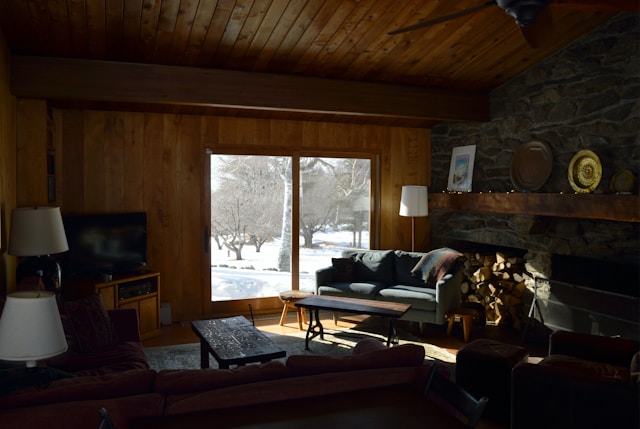
Introduction to Home Comfort
Your home is more than just a place to live; it’s a personal retreat that embodies comfort and warmth. The journey towards cultivating such a cozy haven begins with an understanding of what makes spaces feel lived-in and inviting. While aesthetics play a crucial role, the way spaces are designed and utilized often holds the key. By making small, intentional changes, you can transform your living area into a sanctuary that promotes relaxation and rejuvenation.
Sharing this transformation journey can be just as rewarding. Platforms like online networks for personal storytelling provide a space to detail these home adventures. Whether through photos or vivid narratives, connecting with others who share a love for homemaking amplifies the joy of creating a heartfelt abode.
Choosing the Right Colors
The right color palette sets the tone for your home and affects your mood daily. Warm, soft hues such as creams, blushes, and muted greens bring a sense of peace and openness, whereas darker shades can create a cozy, intimate environment. Adding a pop of color through accent pieces or feature walls can also enhance these effects without overwhelming the senses. Consider using transitions between rooms to create visual flow, making your home feel cohesive and thoughtfully designed.
Combining different textures with your chosen colors, like using plush fabrics with matte paints, can enrich the visual experience of your home, making each room a joy to explore and inhabit.
Importance of Lighting
Lighting is arguably one of the most transformative elements in home design. Its influence extends beyond mere illumination; it dictates the room’s ambiance and enhances its functionality. Layers of lighting can be used creatively to affect mood and atmosphere, shifting from day to night with ease. For example, combining bright task lighting with softer ambient lighting creates a versatile space suitable for both work and relaxation. Natural light should also be maximized where possible, allowing the warmth of the sun to elevate the room’s feel.
Use reflective surfaces like mirrors or light-colored furnishings to help bounce light around the room, giving smaller spaces the illusion of greater size and openness.
Furnishing Tips for Coziness
Selecting the right furniture is crucial to establishing comfort and style. Opt for plush seating with inviting textures—think deeply cushioned sofas layered with soft throws and pillows in a variety of fabrics. This not only adds aesthetic value but provides literal warmth. Arranging furniture to promote social interaction can further enhance the coziness of your home. Forming seating groups or using rugs to define spaces within open floor plans can create natural gathering areas that invite conversation and connection.
The mantra here is functionality should meet personality—your furniture should make life easier, all while reflecting your unique tastes and habits.
Adding Decorative Elements
The individuality of your home surfaces in its decorative elements. These pieces—artwork, memorabilia, and souvenirs—infuse life and history into the living space. Using design insights, select and arrange these items purposefully to showcase personal stories and interests. Incorporate mixed media, such as prints, sculptures, or textiles, to create an eclectic but harmonious visual palette.
This thoughtful layering transforms a house into a home filled with personality. The right balance between minimalism and maximalism ensures a vibrant, uncluttered space where every piece has meaning.
Incorporating Natural Elements
To instill tranquility and balance, consider bringing the outdoors in. Plants add vibrancy and fresh air, crafting a soothing environment that mimics natural landscapes. Select varieties that require low maintenance to ensure longevity, such as succulents or pothos. In addition to greenery, using natural materials like wood, stone, or cork textures can introduce warmth and a tactile element, creating a grounded, organic feel.
A holistic approach to design integrates these elements seamlessly, allowing your home to feel more lively and connected to nature’s rhythms.
Creating Personalized Spaces
Your home should be a canvas that reflects your story and passions. Dedicating specific areas to personal interests transforms these spaces into sources of daily inspiration and joy. It could be a reading nook filled with beloved books, a craft corner with art supplies, or a meditation space bathed in natural light. These personalization projects turn ordinary areas into sanctuaries of creativity and peace, providing little havens in which you can recharge and connect with yourself.
Allow yourself the freedom to evolve these spaces as interests change, keeping your home dynamic and continuously renewing your connection with it.
Resources for Home Design
For anyone looking to delve deeper into home design, the internet is rich with resources and inspiration. Websites like Pinterest and established design blogs offer endless ideas and practical tips tailored to any aesthetic or budget. Engaging with these communities not only enhances your design knowledge but can inspire unique solutions that align perfectly with your vision for your home. Furthermore, staying updated with expert advice and trends can drive creative decisions that keep your space fresh and exciting.
Make use of these networks to meet people who share your interests, share your trip, and gain knowledge from the combined experiences of house enthusiasts worldwide.